




Every teacher knows the feeling of coming back from winter break to a classroom that needs more energy, more structure, and more calm than it currently has. A midyear refresh can feel overwhelming, but small, intentional changes can make the rest of the school year run more smoothly for you and your students.

A New Year classroom reset has two goals. First, create a clean, functional space that supports learning. Second, help students ease back into routines with meaningful activities that guide them into a steady rhythm. These strategies will help you begin January feeling organized, confident, and prepared.
Start with a Classroom Environment Refresh
A quick reset can make your room feel welcoming again. Start by removing any leftover items from holiday activities so you have a neutral foundation. Many teachers prefer to simplify their bulletin boards and anchor charts during this time of year to create a calm space.
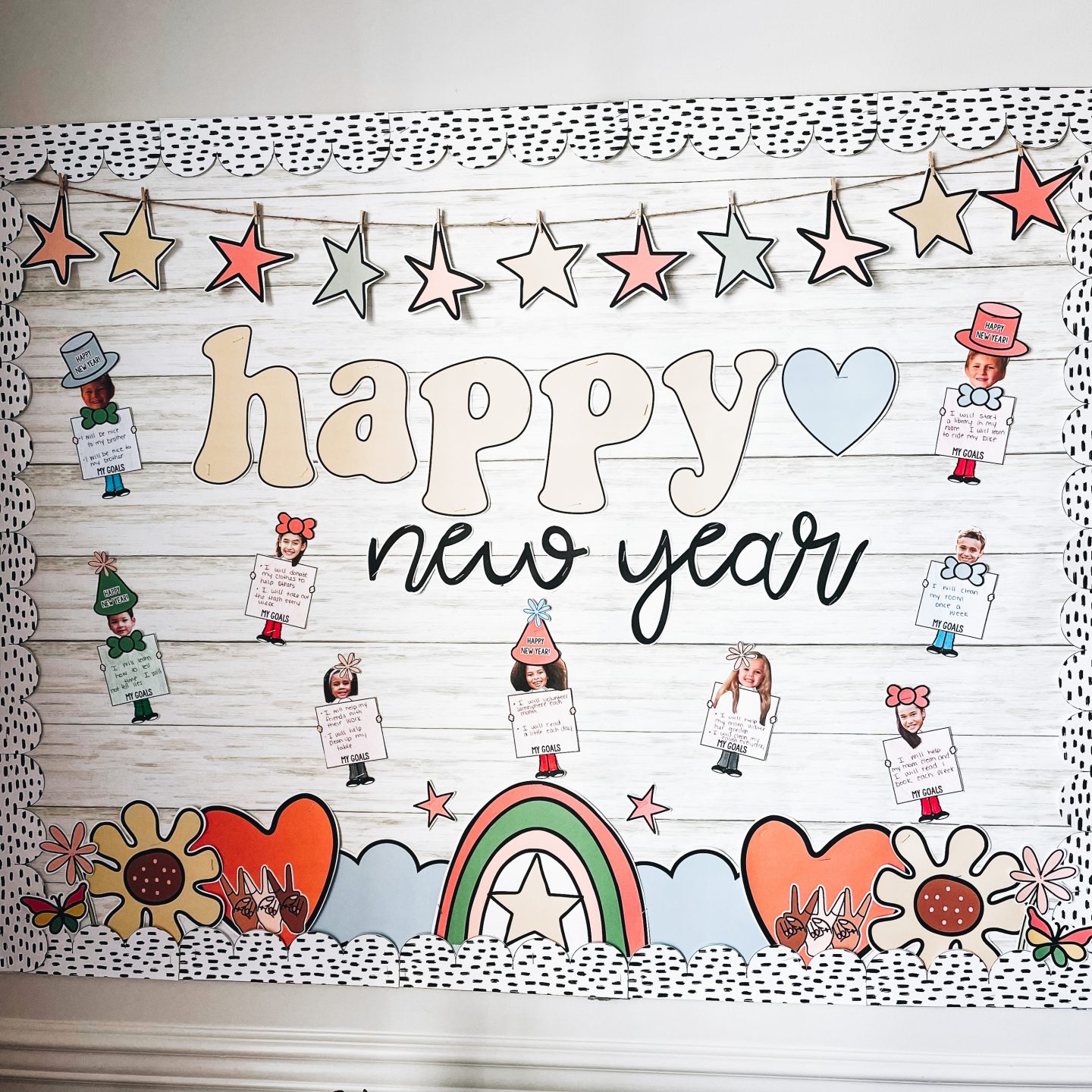
If you want to add seasonal touches without spending hours planning, use ready-made January materials that still feel fresh. A New Year Bulletin Board Kit is an easy option if you want something cohesive that supports your goals for the rest of the year. Fresh Start Organization Labels can help you recategorize supplies and guide students back into independent routines.
A good question to ask yourself during this reset is, “What feels cluttered in December that could feel easier in January?” It might be a bookshelf, a turn-in system, a math manipulative area, or even your teacher desk. Choose two or three spaces to refresh so you can feel the impact without spending your entire break organizing.
Build Student Goal Setting Into Your Return Plan
Students respond well to a structured, hopeful start to the year. Clear goals help them reconnect with school expectations and understand what they want to work on during the second half of the year.
Goal setting can be simple. Printable Student Resolution Templates and New Year Goal Setting Activities allow students to reflect on what helped them succeed during the first semester, identify habits that need adjusting, and write out personal plans they can revisit weekly. These pages can be sent home, used in morning journals, or added to a hallway display.

If you want students to be more independent with goal tracking, introduce a simple check-in system. A once-a-week routine works well. Students review their goal, record a quick progress note, and celebrate any improvement they notice. This builds ownership without adding grading to your plate.
Reset Your Organization Systems
January is the ideal time to reset the small systems that keep the classroom running. Try reviewing your procedures through a student’s eyes. Are the pencils always missing? Is the turn-in bin overflowing? Does your small group area need better labeling?
Use organizational tools that save time and reduce questions. Labeled drawers, bins, and centers help students find what they need without interrupting instruction. Fresh Start Organization Labels are helpful for this because they visually guide students back into familiar routines after a long break.

If you have a few minutes before winter break, prep these systems now. A simple pre-break checklist can include refilling supply baskets, printing January materials, refreshing your calendar, and setting aside extra copies of high-use papers. Small steps like this make the first day back feel much smoother.
Start Day One with an Engaging Morning Meeting
The first morning meeting of the new year sets the tone for the rest of January. Please keep it simple and purposeful. A friendly welcome, a quick community-building activity, and a short discussion about what students hope to accomplish help everyone reconnect.
January Morning Meeting Slides make that process easier. They give students something familiar to follow while allowing you to guide conversation, introduce routines, and review expectations. This structure can reduce off-task behavior that often appears after long breaks.

Transition Your Bulletin Boards with Intention
Bulletin boards can do more than decorate your classroom. They can help students focus on new goals or remind them of routines. Consider adding a board that highlights student resolutions or displays New Year Writing Activities. Interactive boards encourage students to revisit their goals rather than forget them after the first week.

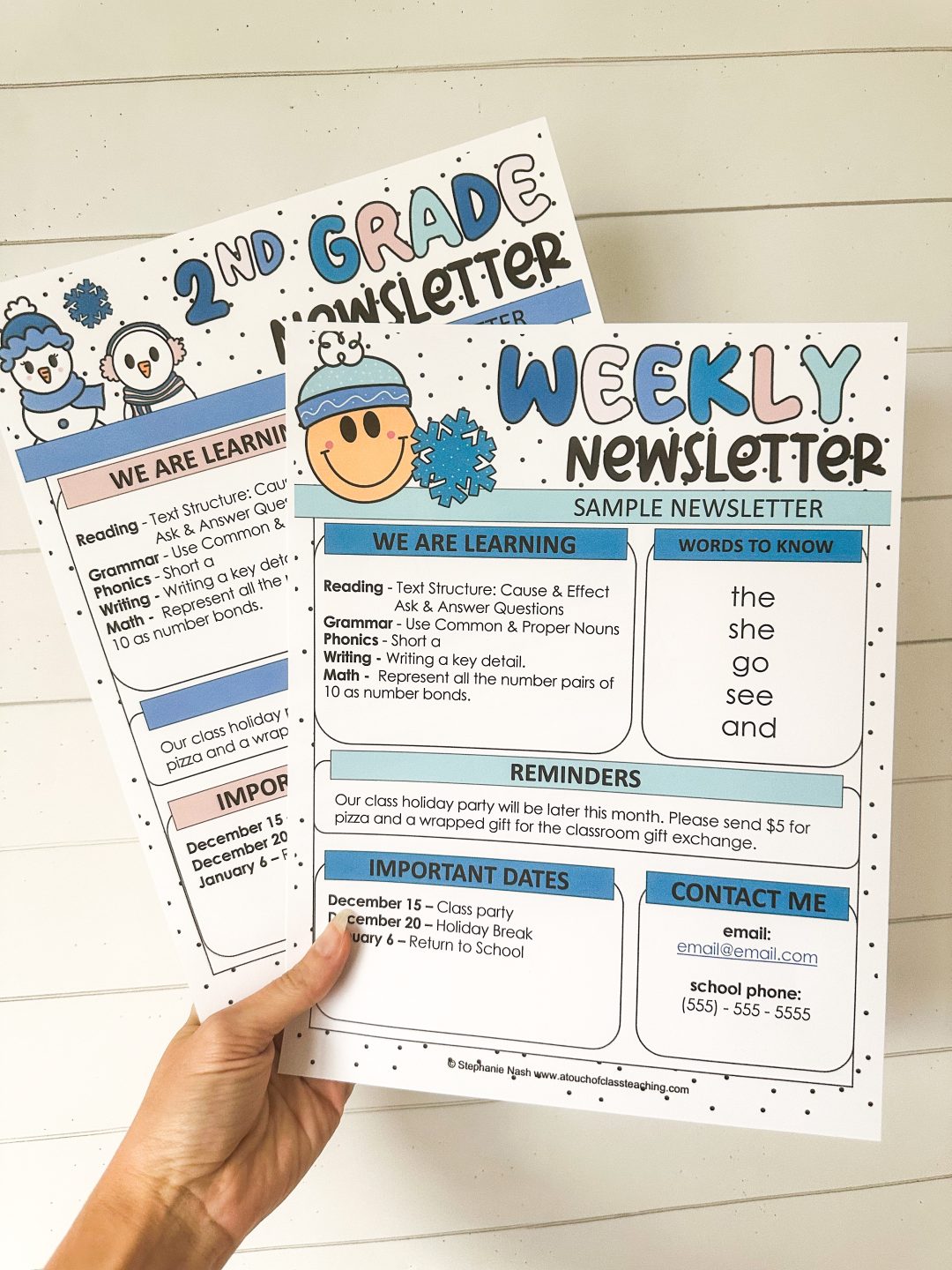
If you prefer something more academic, swap in a January Newsletter Set or a themed board that highlights winter vocabulary, math strategies, or reading reminders. The goal is to create a space that supports instruction and feels fresh without spending hours cutting paper or designing layouts.
Use Reflection Activities to Strengthen Classroom Community
Students often return from break with big feelings. Reflection pages help them process those feelings and transition back into the classroom mindset. New Year Reflection Activities provide students with guided prompts to review the first semester, identify personal strengths, and reflect on what would make the rest of the year better.
These activities pair well with small group conversations or sharing circles. They help students feel grounded and help you understand what support they need moving forward.
Communicate with Families Early
A short, friendly parent update during the first week back can clear up confusion and help families support your classroom goals. Share your routines, any new expectations, and how students are setting goals for the new year. Many teachers like to include a simple January overview or a parent communication template to help families know what to expect.
Parents appreciate clarity and consistency, and a quick update at the start of January can prevent misunderstandings later.
Time Saving Tips to Make January Easier
A few simple habits can make the New Year schedule manageable:
• Set aside one afternoon during break to print and prep January materials
• Refresh only the spaces that genuinely need it
• Use ready-made activities and labels to cut down on planning
• Introduce new routines gradually
• Keep your own teacher goals achievable
These small steps lighten your workload and help you start the year feeling steady.
FAQs
If possible, begin prep during the final week before break. Even 20 minutes of printing, labeling, or tidying helps your January return feel smooth.
Refresh what you already have by removing clutter, reorganizing shelves, and repurposing materials. Printable labels, simple student-made displays, and reused storage bins work well.
Consistency is key. Revisit goals weekly, maintain predictable routines, and use quick check-ins during morning meetings. Small moments of connection build steady momentum for the rest of the year.
Be sure to check out all of the Freebies in the Freebie Vault as well!
If you enjoyed this post, you will also love these:
Do You Ever Feel Like You’re Drowning in Teacher Tasks? You’re Not Alone!
End November Stress: Quick Tips for Teachers to Reclaim Their Evenings
Everyone Told Me Themed Decor Wouldn’t Last… Here’s What Happened