





Making a flexible seating classroom work can take time, but there are ways to make it simple, enjoyable, and successful. Learn from my mistakes and use these tips for an efficient school year!

The first year I walked into a classroom with flexible seating, I was convinced it would be the dream setup. Students happily choose where to sit, everyone is engaged, and a calm, collaborative vibe prevails. What I didn’t picture was the reality of that first week. Students wandered around unsure of where to land, kids argued over the same wobble stool, and I realized halfway through math that the quiet corner was now the unofficial snack lounge.
That was my wake-up call. Flexible seating can absolutely transform your classroom, but without a plan, it can quickly turn into a headache. If you’re ready to make it work for you and your students, let’s walk through the key steps to creating a flexible seating classroom that’s functional, inviting, and organized.
Why Flexible Seating Works
A flexible seating classroom isn’t just about making the room look adorable. When it’s done well, it gives students choice and ownership, helps them figure out how they work best, and supports movement throughout the day. For some kids, sitting at a standard desk works fine. For others, a floor cushion or standing desk lets them focus and stay engaged.
The goal is to offer variety without chaos, which is why the game plan matters.
Step One: Choose Your Seating Options
The best part about flexible seating is the variety you can offer, but too many choices can overwhelm both students and you. Pick a few types to start with, then add more over time as routines settle in.
Here are some common and practical seating options:
Standard Desks and Chairs
Keep a few for students who like structure or need a traditional workspace.
Great for students who need movement while they work. They help with focus without turning into a distraction if you set clear guidelines.

Perfect for students who like to stand and shift their weight while they work. Adjustable models let you use them with stools too.

Floor Cushions or Low Tables
These create a cozy work area for reading, writing, or group projects.

Yoga Balls
These can be fun and functional, but they need a little training for proper use so they don’t turn into bouncing contests. These also come as yoga ball chairs!

These are great for reading nooks and spaces where kids are reading or taking a break from the chaos of the day.

These cute seats lie flat and allow studnets to sit comfortably while they work on the floor.

If flexible seating is daunting to you, chair bands are a great place to start. You can attach them to almost any chair for kids to get some movement while working.

These fun desks allow students to sit on the bottom and place their work on the top. They can put them aywhere in the classroom.

Place these wooden desks in spaces where students can bring their materials to them for work times.
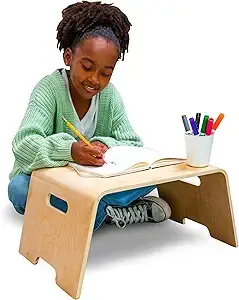
These felxible seating options are easy to move and can be placed at desks or standalone in a center.

When you choose, think about your classroom size, your budget, and your students’ needs. Even just two or three types of seating can make a difference.
Step Two: Plan Your Classroom Layout
Flexible seating works best when you’re intentional about where each option is placed. Keep high-movement areas away from quiet zones. Group similar seating together so students know where to go for each type of workspace.
One area I highly recommend including is a calm-down corner. Even in a well-run classroom, there will be times when students need a place to regulate their emotions before rejoining the group. This is where my Happy Pastels Calm Down Corner comes in. It includes yoga pose cards, breathing strategies, an emotion poster, and clear student directions, making it easy to set up and even easier for students to use independently. Whether you have a small nook or just a corner of the room, this space can make such a difference for maintaining a calm, focused atmosphere.

A few other layout tips:
- Put standing desks near the back or sides to limit visual distractions for seated students.
- Place floor cushions or low tables in quieter corners for reading and independent work.
- Keep wobble stools near regular desks so they can be swapped in easily.
- Make sure walkways stay clear so students aren’t stepping over furniture to get where they need to go.
Step Three: Establish Clear Expectations
Flexible seating does not mean free-for-all. Students need to understand how to choose a seat that helps them work, not just one that looks fun.
Some teachers use a “choose a seat, stay a while” rule, where students pick a spot and commit to it for a set amount of time. Others assign seats at first, then gradually allow more choice as students show they can handle it.
Make expectations clear from day one:
- How and when students can change seats
- How to take care of seating options
- How to signal if a seat isn’t working for them
- What “working responsibly” looks like in each area
Do what works for you and your students. Adjust accordingly and throughout the year. Sometimes, one strategy works for a quarter and then you need to switch things up. It happens to everyone!
Step Four: Keep It Organized
A flexible seating classroom only works if materials are easy to access from anywhere in the room. That means you will want storage solutions that fit your layout.
- Rolling Carts are perfect for holding supplies that students might use in multiple seating areas.
- Chair Pockets keep personal items handy without cluttering workspaces.
- Storage Bins labeled by subject make it easy for students to grab what they need no matter where they are sitting.
- Book Baskets near reading areas keep things organized and encourage students to actually use the space for reading.
The right organizational tools can make or break your system! I have free labels in my Freebie Vault as well, so be sure to sign up at the bottom of this post!
Step Five: Start Small and Adjust
It is tempting to go all in with every type of seating option right away, but that can be overwhelming. Begin by offering a few choices, teach the routines, and then observe what works best for your group. Over time, you will learn which options your students actually use and which ones just take up space.
If a certain seat is constantly a problem, take it out for a while. If you notice students gravitating toward a certain type, consider adding more of that option.
Step Six: Keep Students Involved
One of the best parts of flexible seating is that it gives students a voice. Regularly check in with them to see what is working and what is not. Sometimes, just rearranging a few seats or swapping a cushion for a stool can make a big difference.
You can even have a quick reflection time each month where students share where they work best and why. This not only helps you improve the classroom layout but also teaches students to think about their own learning preferences.
A flexible seating classroom can completely change the way your students work and interact. With the right plan in place, it can bring calm, focus, and a sense of ownership to your space.
Frequently Asked Questions
Flexible seating gives students a choice in where and how they sit while they learn. Instead of traditional desks in rows, you might have options like stools, cushions, or floor spots that promote movement and comfort.
Not if you set clear expectations. Establish routines for choosing seats, moving safely, and taking care of materials. When students know the rules, flexible seating can actually improve focus and reduce behavior challenges.
Begin small by repurposing items you already have – clipboards, rugs, or low tables. Even rotating a few chairs or adding cushions gives students choice without requiring a big budget.
To grab some FREE Labels for Drawer Carts, Teacher Toolboxes, Storage Bins, and more, enter your name and email address below! I’m constantly adding new things!!
For more amazing teacher tips and tricks, check out these posts:
I Am a Teacher and These Are My Favorite First Week of School Tips for Classroom Management
Classroom Decor Labels That are Bright, Organized, and Ready to Print
I Was Struggling with Open House Prep Until This ONE Thing Changed Everything!